

What material(s) do you use in your sculptures?
“Thirty-eights years ago, I took a bronze casting class, then welding, then stone carving. Eventually I fell in love with water base and oil base clays to make abstract and realistic figurative work. I then had made molds and cast them in bronze, concrete, or plaster. After about ten years I added stainless steel, and wood. Now I also like combining wood with canvas and using a limited color pallete of happy colors.“
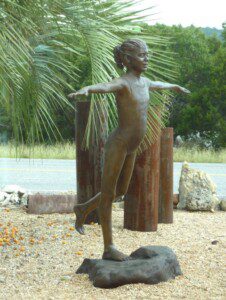
Life is A Balancing Act
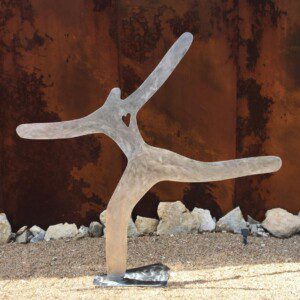
Joy
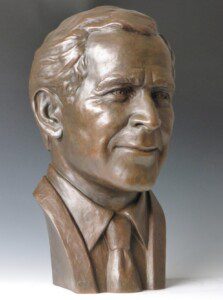
GW Bush
What is your primary forming method?
“This past year, I have mainly used, clay, wood and canvas for making art for my upcoming three person show at the Rockport Center for the Arts. I will have about 30 new pieces in the show. I am using a limited color pallete of bright cheerful colors for all my work in the show. The wood branches are varies sizes, from 3 to 9 ft. I stripped the bark off, then sanded and primed them and finally painted with enamel paint and put them on bases to make them free standing. Some of the canvas pieces have wood branches hanging below the canvas using fishing wire. Some larger wall pieces have a large branch with several canvases hung horizontally below it. The water based clay rabbits are made hollow and while still wet, I glaze them and then carve a design on the surface. In the passed I experiment with face and body casting, concrete, steel, mosaics, stained glass and metal jewelry making. My favorite is still making small figurative works in water based clay.“
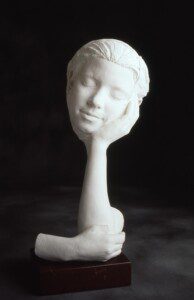
Day Dreaming Girl
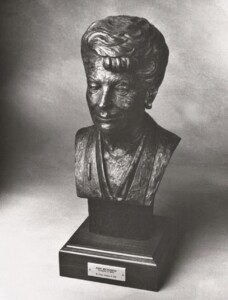
Ann Richards
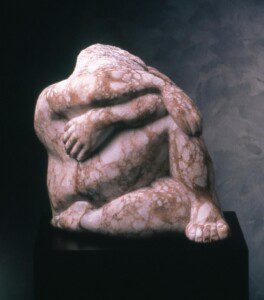
Stone Sitter
What is your favorite surface treatment?
“When I started sculpture I explored expressing all the different emotions from joy to misery and everything in between. About twenty years ago I decided to concentrate on the happier emotions. Even though I still use black, white and browns, my current favorite surface treatment is using bright cheerful colors combinations.”
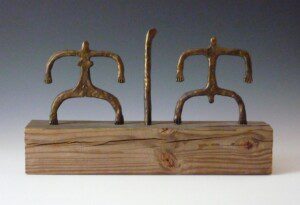
Anima Animus
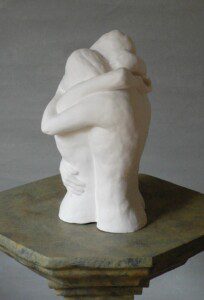
Embrace
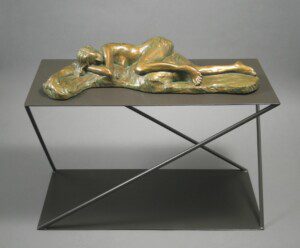
Ivy
What are your favorite Tools?
“My favorite tools working in clay are my hands but I also use a variety of hand tools. My favorite stores: for buying clay tools is Armadillo Clay in Austin; Jerry’s Artarama for canvases and paints; as well as most local hardware stores for electrical tools. My favorite brushes for painting patinas on sculpture are really old brushes and for lifting a top color to see the under color I dab with wadded up newspaper.“
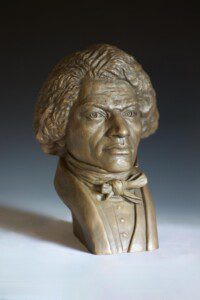
Frederick Douglas
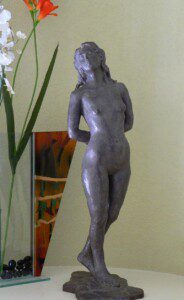
Day Dreaming Woman
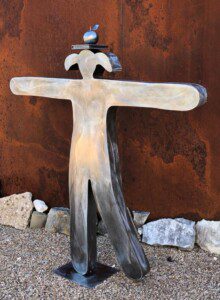
Balancing Apple
Describe your studio environment.
“For the last 20 years our studio/workshop was downstairs and we lived upstairs. Before that, I used a four car garage as a studio but also liked working outside under large trees in my yard. We just downsized and moved a year ago. We have had to become better organized because we have less space, but surprisingly we can still do large pieces. It is also nice to have everything on one level.“
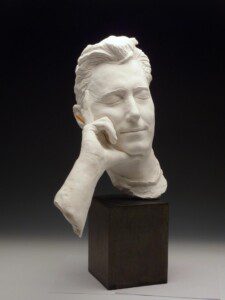
Sam Hurt
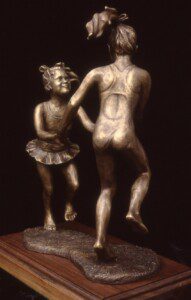
Sisters
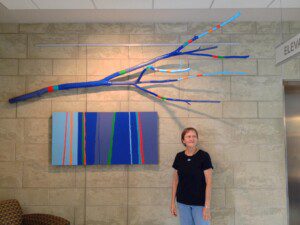
Evening at the Lake
How/Where do you market and sell your artwork?
“That has always been the main challenge, since I like doing both realistic and abstract, as well as large and small pieces. Each end up being sold to different audiences. The large outdoor pieces are submitted to Sculpture Garden Show competitions that many cities have. My realistic historical busts are in several public locations, like libraries, museums, and convention centers. My smaller pieces are sold through art shows and galleries.“
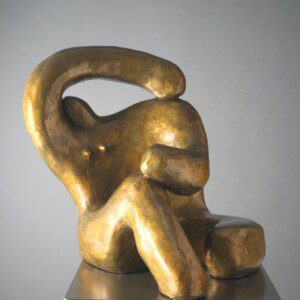
Contemplation
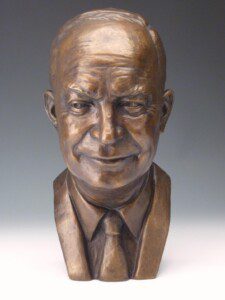
Eisenhower
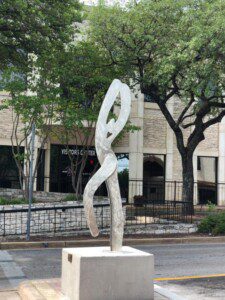
Glee
What sparks your creativity? What drives you to create?
“What drives me to create? Many times it is looking at my old idea folders. Lately when doing figurative clay work I will look at realistic work I’ve made and then make an abstract version, maybe several. I also love to look at the work of a few favorite artists, and to visit art museums to see the creativity of other artists. Sometimes just getting started playing with clay will lead to multiple projects.“
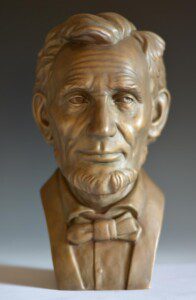
Lincoln
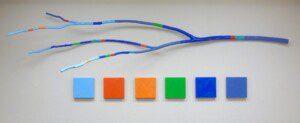
Color Me Happy
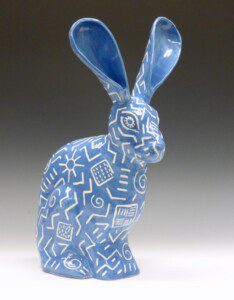
Texas Jackrabbit
Did you come to sculpture from a different career? Tell us about your journey to becoming a sculptor.
“I studied Illustration in art school, and then did art related jobs for several years. When I moved to Texas, I told myself, “If I am going to be an artist, it’s now or never”. My intuition figured out how to do it, although, I lived pretty frugally for several years. I even bartered with my doctors, service for art.“
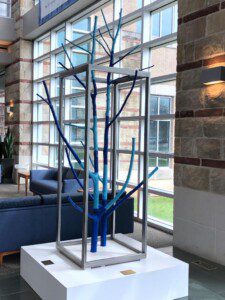
Two Blues in a Box
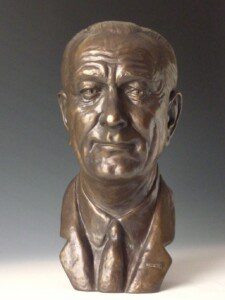
LBJ
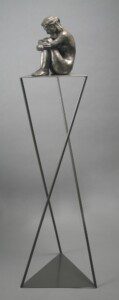
Alone, on Dream Pedestal
How have you have taken your experience as a well-established maker in the field and passed that knowledge along to other artists?
“At few times I have taught classes, but ultimately found it too stressful. I like to share information if another artist calls me, but when it comes to making art I prefer to work alone in my studio. As I’ve gotten older I don’t even listen to music anymore – I need to totally concentrate on the form from every angle.”
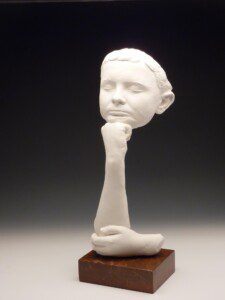
Casey
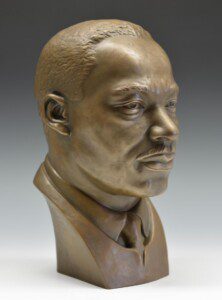
MLK
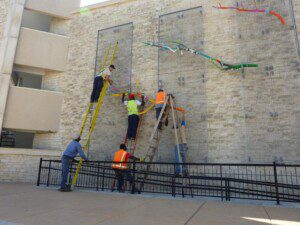
Drought Art Installation
What’s the best advice you’ve been given by a fellow maker, mentor, or teacher?
“The best advice given to me by an art teacher seemed more like an insult at the time. He told me, my work was perfect in everyway but it was dead like a still born baby. From that day forward my goal has been to have my work spark emotion to the viewer, preferably ‘joy’.“
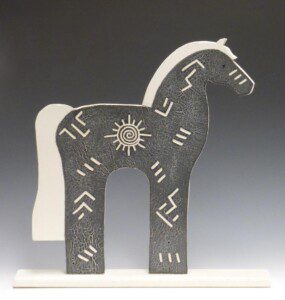
Southwest Horse
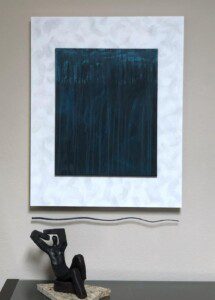
Water and Seated Figure
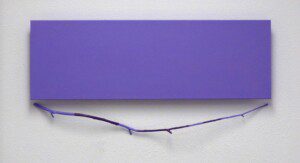
Landscape at Dusk
Website: cindydebold.com
TSOS Member Profile: Cindy Debold
Artist Statement:
Cindy Debold is a sculptor and painter whose work celebrates joy through expressive gesture, color, and form. While her early work explored a range of emotions, the past decade has focused on creating uplifting experiences across a variety of mediums.
Bio:
Cindy Debold studied art in college and has spent more than 38 years living in the Austin, and the Texas Hill Country area. Using clay, metals, painted wood, canvas, and a limited color palette, she creates wall-based and freestanding works that explore emotion and joy. Her work is both abstract and representational and is held in private and public collections across the United States. cindydebold.com
Information for my upcoming three artist show at the Rockport Center for the Arts in Rockport, TX. The official opening reception will be November 14th, 2026, 5-7pm. The show runs through to January 3rd, 2027. All the Rockport galleries have openings and stay open until 8pm are on the second Saturday of each month. Rockport is a fun to visit fishing town and artist community north of Corpus Christi. The Rockport Center for the Arts has several gallery spaces, a curator, all members show and juried shows throughtout the year. It’s an impressive space with free admission, (donations welcomed).
.