

What material(s) do you use in your sculptures?
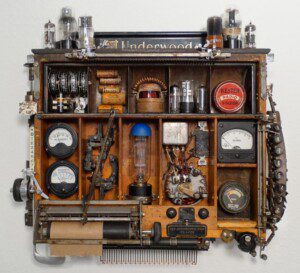
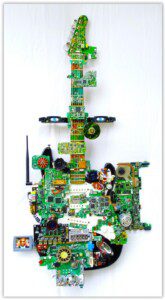
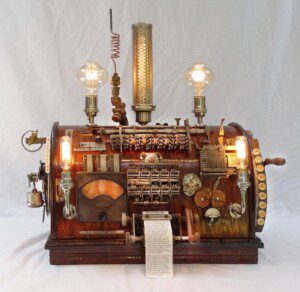
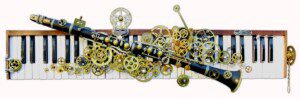
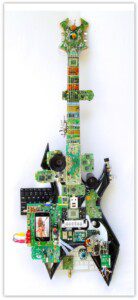
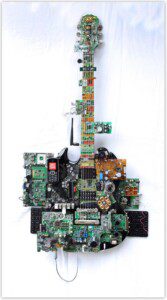
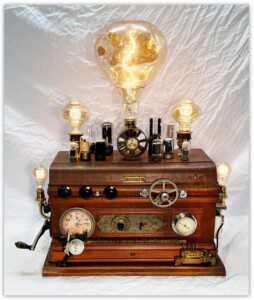
“I tear down electronic items for the circuit boards and other fun parts, and for the Steampunk pieces I purchase
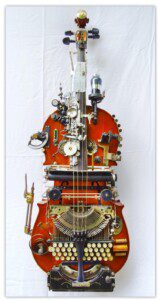
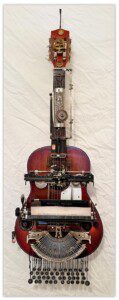
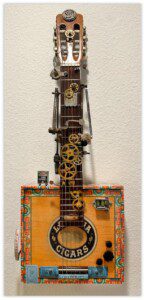
items from thrift stores to harvest the parts from those machines. Old typewriters are my favorite to tear apart,
great parts. The discovery of what is inside the item I purchased is the fun part, sometimes great and
sometimes not so good.“
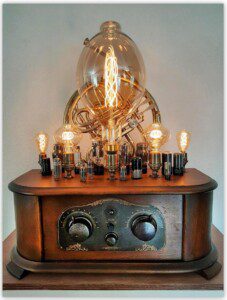
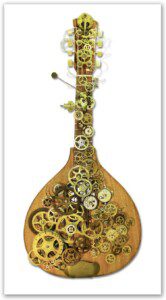
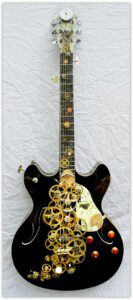
What is your primary forming method?
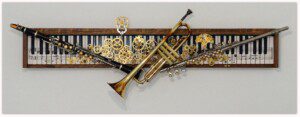
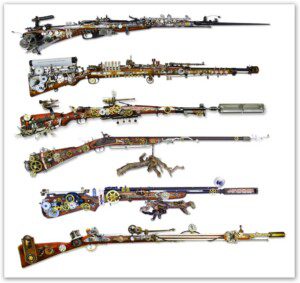
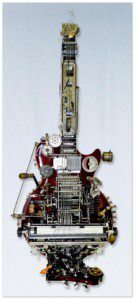
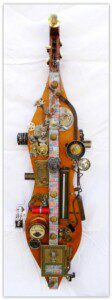
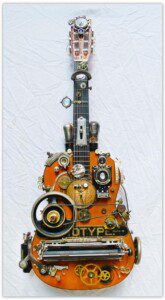
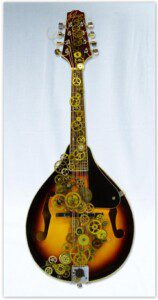
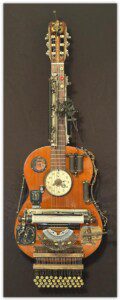
“There is no “forming” involved in my creations. I just use the base item; guitar, gun, or instruments and add to
them.“
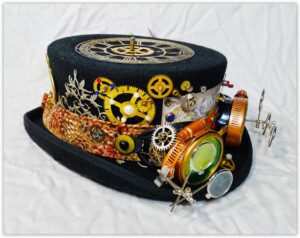
What is your favorite surface treatment?
“No surface treatment, I use what the base item is. For the Steampunk items the more scratched and old it looks the
better.”
What are your favorite Tools?
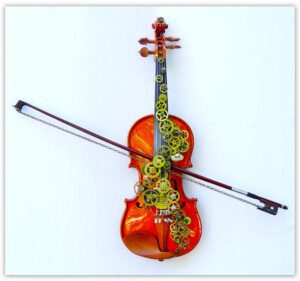
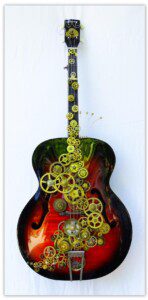
“Too numerous to list, everything in the toolbox although I do use multiple drill bits… a lot of them. For the clock
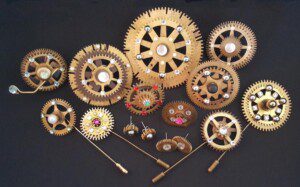
gears I drill a hole a bit smaller than the shaft and then tap the gear in place. I keep all of the machine screws
when I take machines apart and again drill a hole just smaller than the screw and then screw it in to the base
item.“
Describe your studio environment.
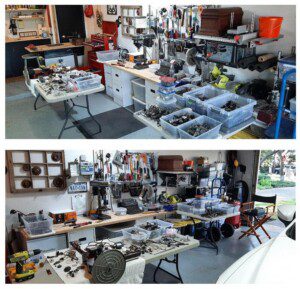
“It is hot in the Summer and cold in the Winter, our garage. One side is for my art and the other side is for Paula’s art.“
How/Where do you market and sell your artwork?
“I am a member of the River Art Group in San Antonio on the River Walk and maintain 5 to 6 pieces throughout the
year. These change out every three months. Mine is a niche market that appeals to a narrow few, everyone
loves to look at them but sales are slow and I’m OK with that… I like to look at them as well.“
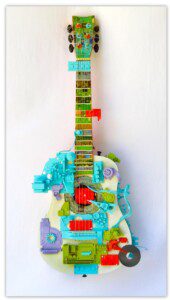
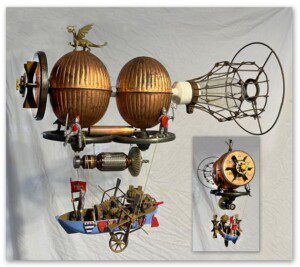
What sparks your creativity? What drives you to create?
“Just the enjoyment of starting with nothing and not knowing what where it will end or become. At some point in the project
the art begins to tell me where it is going.“
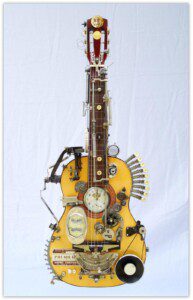
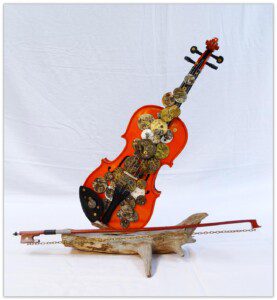
Did you come to sculpture from a different career? Tell us about your journey to becoming a sculptor.
“My career was an Art Director for several advertising agencies. Assemblage was always there even as a child I just didn’t realize it until 2015 when I created my first “official” assemblage piece.“
How have you have taken your experience as a well-established maker in the field and passed that knowledge along to other artists?
“Assemblage artists are few and far between and applications are numerous. It is not like a watercolor artist
who can hold a workshop and demonstrate techniques that other artists can apply. My pieces require hours of
searching through parts bins looking for just the right piece.”
What’s the best advice you’ve been given by a fellow maker, mentor, or teacher?
“Less is always better. I don’t know who Less is but he must be a pretty good guy.“
Website: www.marceisenberg.com
TSOS Member Profile: Marc Eisenberg
Bio:
Assemblage is an artistic form or medium usually created on a defined substrate that consists of three-dimensional elements projecting out of or from the substrate. It is similar to collage, a two-dimensional medium. It is part of the visual arts, and it typically uses found objects, but is not limited to these materials.
My assemblages explore the possibilities of combining worlds, saving lives and changing intentions. Upcycling the old and giving new beautiful life.
The curving shape and sensual beauty of a brass horn still exists even after it falls from the stage. The well-worn guitar retains its grace long after the earthly life of the instrument. The instrument is resurrected with an infusion of love of an artist and the logic of nuts and bolts and gears and circuit boards.
Guns receive a transformation with a dressing of technology—both old and new. In essence, turning swords into plowshares—changing destruction into beauty.
There is no end of life for the broken and bruised. The resulting assemblages tell stories and represent unique new personalities, well-equipped to embrace a new future.
I started with the computer components but soon discovered that everyone was drawn to my Steampunk musical instruments and the way cool gun collection.
.